
In homes exposed to strong summer sunlight, window glass plays a bigger role in comfort and energy efficiency than most people realize. The right glazing can keep indoor temperatures pleasant while reducing air conditioning costs. Natural Resources Canada notes that ENERGY STAR certified windows can significantly lower cooling energy use in sunny climates. In contrast, the wrong choice can turn your living space into a heat trap.
Hot-climate glazing focuses on limiting how much solar heat enters through the glass, especially on west and south façades that receive the most direct sun. The key is choosing windows with a low Solar Heat Gain Coefficient (SHGC) – a small number that makes a big difference in how your home performs.
Understanding How Hot-Climate Glazing Works
Hot-climate glazing is designed to block heat rather than store it. The goal is to prevent solar radiation from raising indoor temperatures, especially during summer afternoons.
The Solar Heat Gain Coefficient (SHGC) measures how much of the sun’s heat passes through glass. It is expressed as a number between 0 and 1:
- High SHGC (0.60 or above): Allows more heat inside, better for cold northern climates.
- Low SHGC (0.30 or below): Blocks most of the solar heat, ideal for sunny regions.
For homes that face intense southern or western sun, a lower SHGC is the foundation of a comfortable, efficient interior.
Why It Matters for South and West Windows
Even in Canada, summer heat can be intense. The direction your windows face plays a major role in how much solar energy they collect.
- South façades receive steady, high-angle sunlight throughout the day.
- West façades are exposed to low, late-afternoon rays – the most difficult to block and the most likely to overheat your home.
Using low-SHGC glazing on these façades reduces glare and hot spots, lowers air conditioning use, and makes interior temperatures more stable. Research from the University of California, Berkeley indicates that optimized low-SHGC glass can cut cooling loads by up to 40 percent in sun-exposed orientations.
Comparing Low-SHGC Glass Types
Different glazing technologies achieve similar goals in different ways. The most advanced options today are “spectrally selective” coatings, which block invisible heat without darkening the glass.
| Parameter | Spectrally Selective Low-E | Tinted Glass (Bronze/Grey) | Reflective Glass |
| SHGC | Low (0.20 – 0.35) | Medium-Low (0.30 – 0.50) | Very Low (<0.20) |
| Visible Light (VT) | High (50 – 70%) | Low (20 – 50%) | Very Low (10 – 30%) |
| Aesthetic | Clear, natural view | Slightly dark tint | Mirror-like surface |
| Cost | $$$ | $ | $$ |
Spectrally selective coatings offer the best balance of visibility and heat control. They let in daylight but block most of the infrared energy that causes rooms to heat up.
Choosing the Right Glass for Your Home
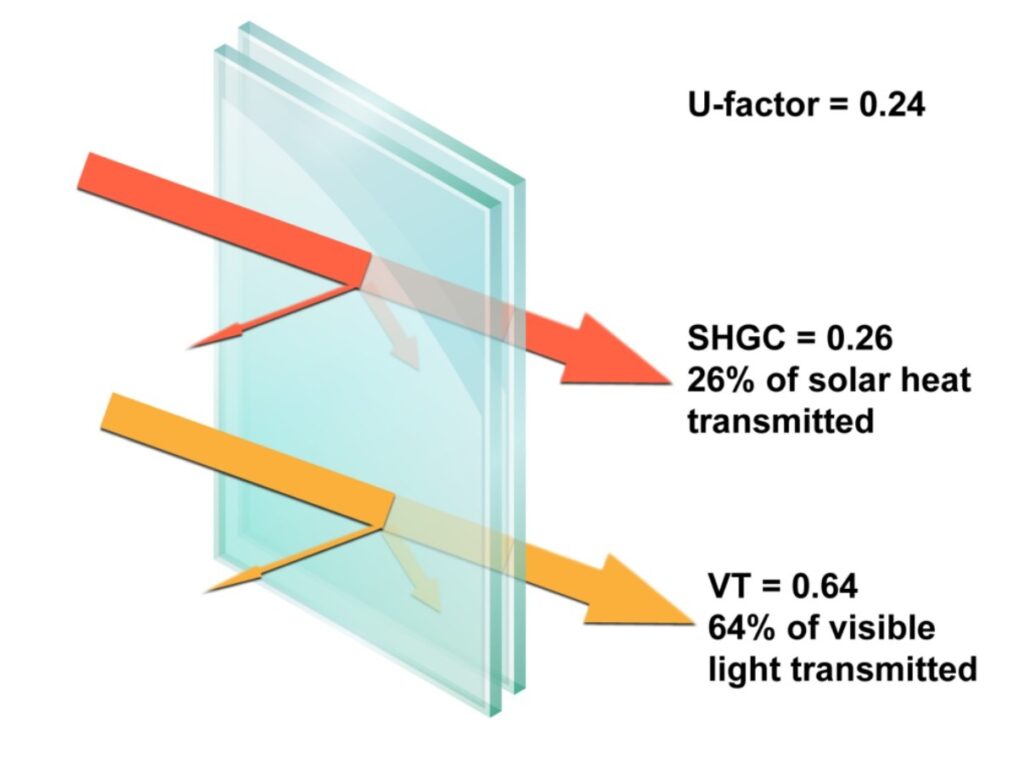
When selecting glazing for warm climates or sunny exposures, focus on three key values:
1. SHGC (Solar Heat Gain Coefficient)
Look for the lowest number possible – ideally 0.30 or below. The lower the value, the less heat the glass allows inside.
2. Visible Transmittance (VT)
A good low-SHGC window should still let in plenty of light. Aim for a VT of 0.50 or higher to avoid dark interiors.
3. U-Factor
U-Factor measures insulation performance. While it’s critical in cold regions, for hot climates SHGC has a greater impact on comfort and energy savings.
If budget is limited, prioritize low-SHGC glazing on west-facing windows first. These absorb the harshest sunlight and provide the most noticeable comfort improvement.
Common Pitfalls to Avoid
Using cold-climate windows in hot zones: Many energy-efficient windows are designed for retaining heat. On a west wall, that same design can make your house uncomfortably warm.
Applying one glass type everywhere: Each side of your home experiences different sun angles. North-facing windows receive almost no direct sunlight and do not need low-SHGC coatings.
Relying on dark tint alone: Heavily tinted glass can reduce glare but also darkens the room. This often increases reliance on artificial lighting, offsetting energy savings.
Ignoring shading solutions: Even the best glass benefits from exterior shading. Trees, roof overhangs, awnings, or adjustable louvers help block sunlight before it reaches the glass surface.
Fine-Tuning Each Façade
Architects call the practice of adapting glazing to different exposures “façade tuning.” In commercial buildings, each wall often has its own window specification. For homeowners, adopting a simplified version of this approach can yield big benefits.
Use high-performance, low-SHGC glazing for south and west façades, where sun exposure is strongest. Standard or moderate-SHGC glass can be used on north and east sides, where natural light is more diffuse. This combination balances comfort, cost, and daylighting quality.
Frequently Asked Questions (FAQ)
1. What should I consider with hot-climate glazing?
The single most important factor is the Solar Heat Gain Coefficient (SHGC). Look for a low number (under 0.30). Also, consider the Visible Transmittance (VT) to ensure the glass is not too dark.
2. How do I choose the best glass for a west-facing window?
Choose a spectrally selective Low-E coating. This technology is the most effective at blocking heat while remaining clear. It is the best modern solution for dealing with intense afternoon sun.
3. What are the advantages and disadvantages of this topic?
The main advantage is a significant reduction in air conditioning costs and a huge improvement in indoor comfort. The main disadvantage is the higher upfront cost of spectrally selective glass, which is more expensive than standard glass.
Conclusion
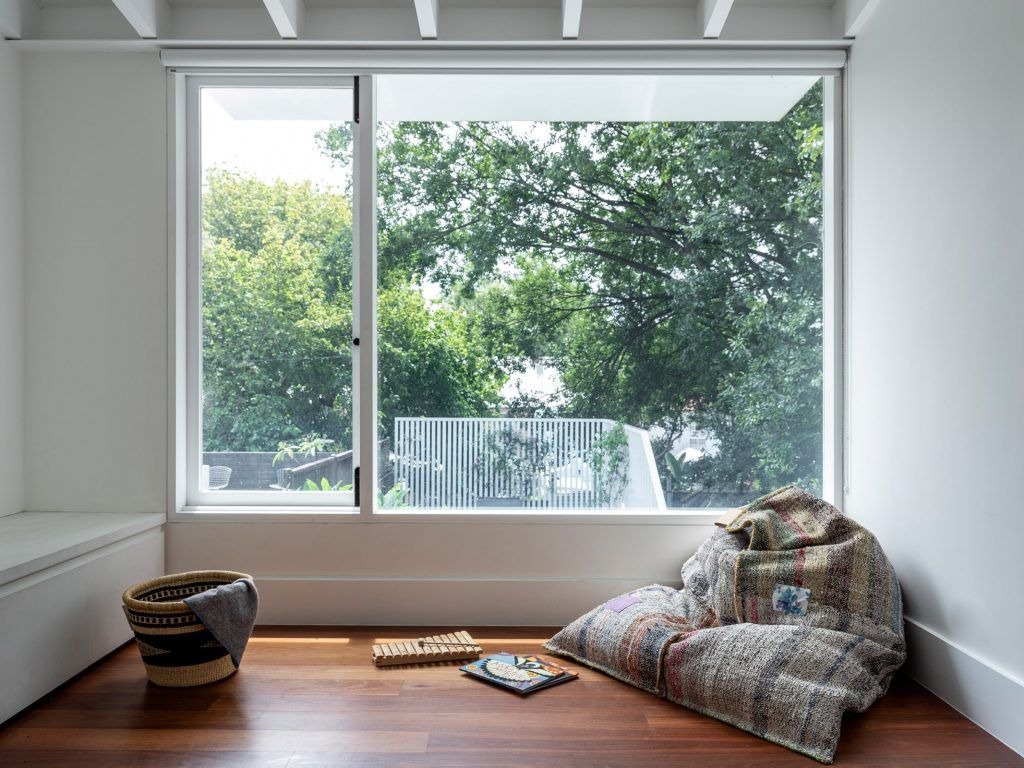
Managing solar heat on west and south façades is one of the smartest ways to improve comfort in a sunny climate. Low-SHGC glazing, especially when combined with proper shading and ventilation, prevents overheating while keeping interiors bright and inviting.
Modern Low-E coatings have made it possible to block heat without blocking the view. By selecting the right glazing for each orientation, homeowners can enjoy cooler summers, lower energy bills, and balanced light throughout their living spaces. Wikipedia’s article on Low-emissivity glass provides an accessible overview of how these coatings help control heat and light transmission.