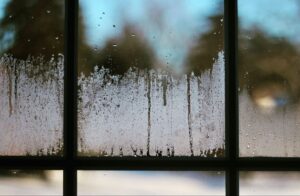
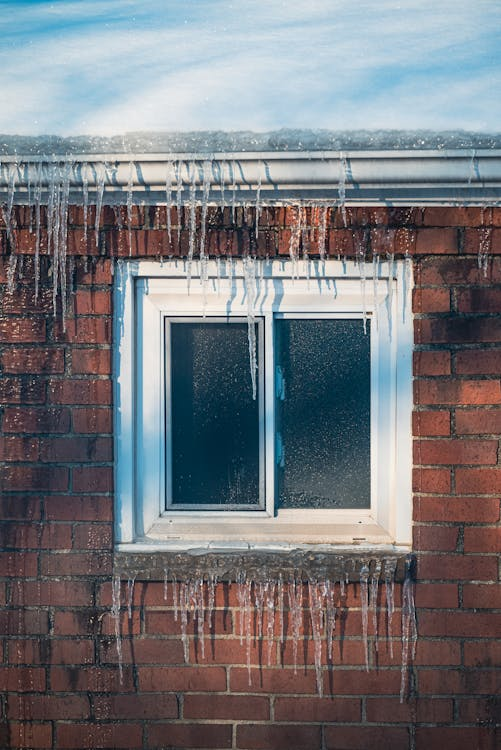

Waking up to frosted or icy windows is a familiar sight in many Canadian homes each winter. While it may look harmless, interior frost is more than just a nuisance – it’s a sign that your home is struggling with moisture and temperature balance.
Cold-climate icing and frost form when indoor humidity meets cold window glass. Managing both sides of that equation – air moisture and window performance – is essential to keeping your home warm, clear, and efficient during long winters.
Why Frost Forms on Windows
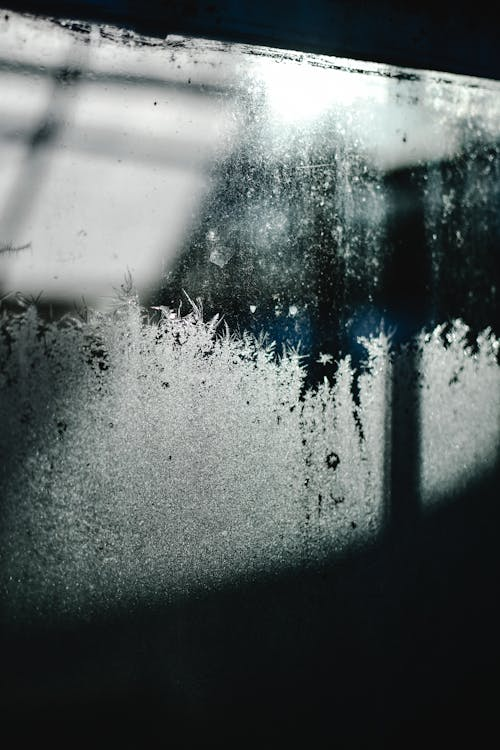
Frost on interior glass is simply frozen condensation. When warm, moist indoor air touches a surface colder than the freezing point, the vapor condenses and then freezes into ice crystals.
Two main factors cause this:
- High indoor humidity: Everyday activities like cooking, showering, and even breathing release moisture into the air.
- Cold glass surfaces: Poorly insulated windows lose heat quickly, cooling the inner glass to a temperature where moisture can condense and freeze.
Older, single-pane or poorly sealed double-pane windows are especially prone to this problem because their interior glass surfaces stay near outdoor temperatures. According to Natural Resources Canada, window frost and condensation occur when warm, humid indoor air contacts cold glass, highlighting the importance of both insulation and humidity balance in Canadian homes.
Why It Matters
A little frost may not seem serious, but it often signals hidden issues that can damage your home and affect indoor air quality.
- Water damage: When frost melts, it seeps into window sills, frames, and drywall, leading to rot or peeling paint.
- Mold growth: High indoor humidity that creates frost can also feed mold in walls, attics, and basements.
- Energy loss: Cold glass means heat is escaping. You’re paying to warm the outdoors.
- Reduced comfort: Persistent condensation makes rooms feel damp and chilly, even with the heat on.
Frost is not just a cosmetic problem – it’s a warning that insulation, airflow, or humidity control needs improvement. The World Health Organization notes that excess indoor humidity and poor ventilation contribute to household air-quality issues, promoting mold growth and respiratory discomfort in cold climates.
Comparing Glass Options for Cold Climates
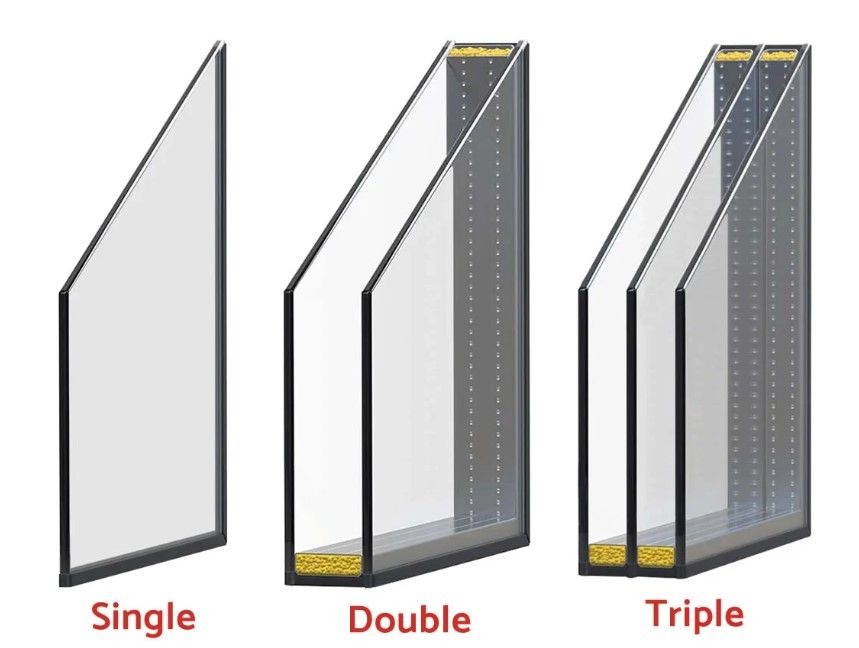
Choosing the right glass can significantly reduce frost formation. Better-insulated glazing keeps the inner pane warmer, which helps prevent condensation from freezing.
| Parameter | Single Pane | Standard Double Pane | Triple Pane (High-Performance) |
| Frost Resistance | Very Poor | Fair | Excellent |
| Inner Pane Temperature | Very Cold | Cool | Near Room Temperature |
| Cost | $ | $$ | $$$ |
| Best For | Outbuildings, mild climates | Moderate climates | Cold regions like Canada |
High-performance windows with multiple layers of glass, gas fills, and special coatings provide the most reliable protection against frost and energy loss. The Whole Building Design Guide explains that multi-pane glazing systems reduce surface condensation by keeping the inner glass temperature closer to room level, improving comfort and durability.
How to Prevent Window Icing
Controlling moisture and choosing efficient glazing work hand-in-hand. Here’s how to manage both effectively:
1. Control Indoor Humidity
Keep indoor humidity in check during the winter. Ideally, it should stay between 30% and 40%, dropping slightly as outdoor temperatures fall.
- Use exhaust fans: Run bathroom and kitchen fans during and after use to remove steam.
- Check humidifiers: Many homeowners keep them set too high. Lower humidity settings when temperatures drop.
- Install a ventilation system: In airtight homes, a Heat Recovery Ventilator (HRV) or Energy Recovery Ventilator (ERV) exchanges stale indoor air with fresh, dry outdoor air without losing heat.
2. Improve Air Circulation Around Windows
Move furniture and open curtains or blinds during the day. Allowing warm air to circulate near the glass prevents cold air pockets that lead to frost.
3. Upgrade Glass and Frames
If your humidity is reasonable but frost continues, the issue is likely the window itself.
- Triple-pane glazing: Offers the best insulation by keeping the inner glass surface warmer.
- Low-E coatings: These microscopically thin metallic layers reflect indoor heat back into your home while letting sunlight in. In cold climates, they help maintain higher interior glass temperatures.
- Gas fills: Argon or Krypton gases between panes slow heat transfer more effectively than air, improving insulation.
Common Mistakes to Avoid
- Assuming new windows are the problem: Frost can appear after upgrading to airtight units because old drafts once allowed excess moisture to escape. Address humidity, not the window.
- Keeping blinds fully closed: This traps cold air against the glass and worsens condensation.
- Ignoring melting frost: Water pooling on the sill can lead to rot or paint damage if not cleaned promptly.
- Relying on quick fixes: Using space heaters or dehumidifiers temporarily reduces frost but doesn’t solve insulation or humidity issues long-term.
The Modern Home Paradox
Older homes used to “breathe” through gaps and drafts, naturally venting moisture – though at the cost of energy efficiency. Modern construction has reversed that balance. Airtight walls and windows conserve heat but trap humidity inside.
That’s why today’s energy-efficient homes must include proper ventilation and air exchange systems. Mechanical ventilation keeps humidity in check without sacrificing insulation performance, ensuring a comfortable and healthy indoor environment.
Frequently Asked Questions (FAQ)
1. What should I consider with cold-climate icing & frost?
It is a warning sign of two problems. First, measure your indoor humidity and use fans to reduce it. Second, examine your windows. If they are old, single-pane, or have failed seals, they are the cold surface that is causing the problem.
2. How do I choose the best glass for a cold climate?
The best choice for a windows and doors replacement in Canada is a triple-pane unit, with at least two Low-E coatings, and Argon gas fill. This combination provides the warmest possible interior glass surface.
3. What are the advantages and disadvantages of fixing this?
The advantage is a healthier, more durable home with lower energy bills and no mold risk. The primary disadvantage is the cost, as the best solution (new windows) is a significant investment.
Conclusion

Cold-climate icing and frost are clear signs that your home’s moisture and insulation systems are out of balance. Start with simple humidity management – using fans, adjusting humidifiers, and improving ventilation. If frost persists, upgrading to triple-pane, Low-E glass windows is the best long-term solution.
By combining humidity control with modern window technology, you can enjoy clear, warm, and energy-efficient windows all winter – without the frost.