
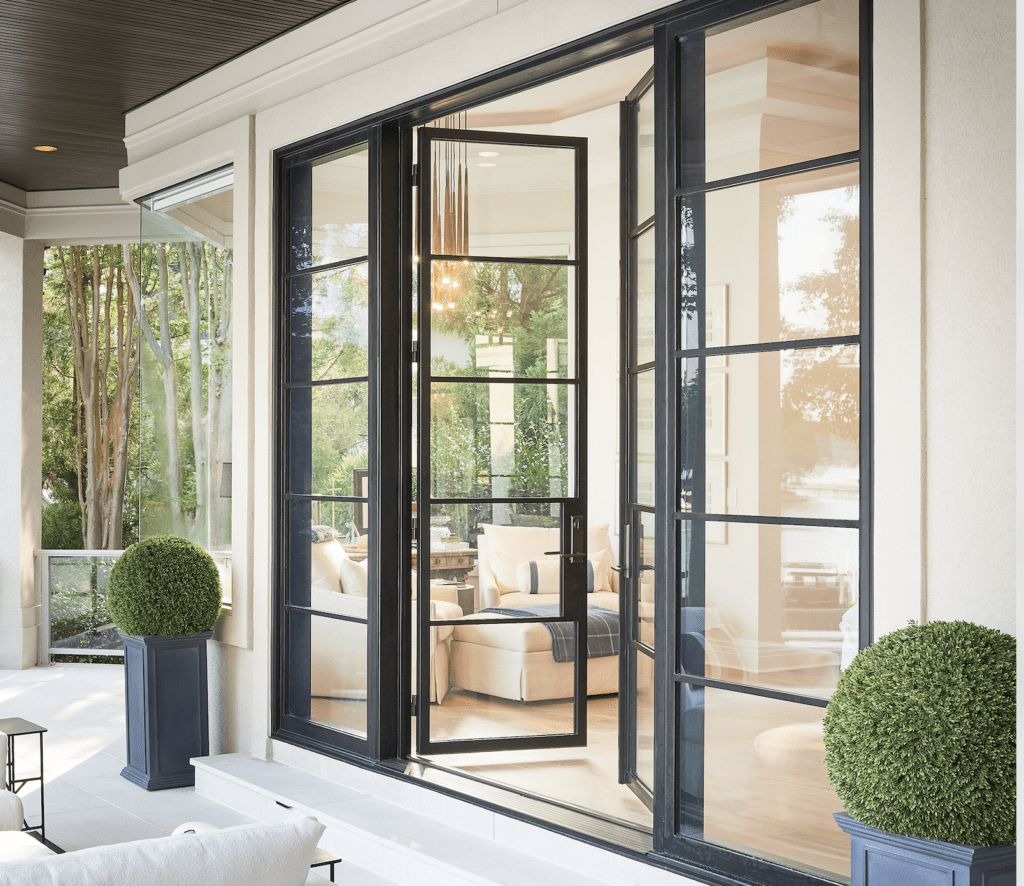

Selecting a patio door may seem like a small design choice, but it plays a major role in how indoor and outdoor spaces connect. The right door can open your living area to natural light, improve energy performance, and elevate your home’s overall appearance.
As design trends move toward brighter interiors and seamless transitions, understanding the differences between sliding, French, multi-slide, and bifold patio doors is essential. This guide explores each option, including their benefits, costs, and best uses for 2026 homes.
Understanding Patio Doors
A patio door is any large door that opens directly to an outdoor area such as a patio, deck, or garden. Unlike standard entry doors, patio doors use expansive glass panels to bring in sunlight and views. The most common types are:
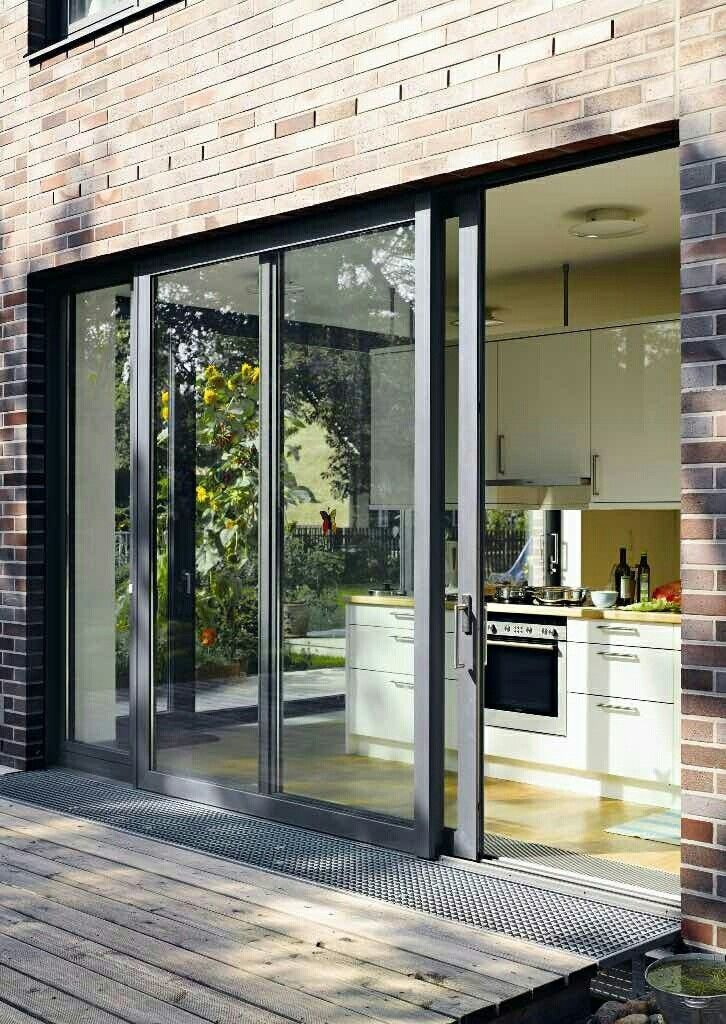
- Sliding doors – One or more panels slide horizontally on a track.
- French doors – A pair of hinged doors swing open from the center.
- Multi-slide doors – Several large panels slide and stack, sometimes disappearing into the wall.
- Bifold doors – Panels fold together in an accordion motion, creating a nearly full opening.
Each design creates a different experience of movement, space, and connection to the outdoors. The National Fenestration Rating Council provides standardized testing and labeling systems that help homeowners compare door and window performance across different materials and configurations.
Why the Choice Matters
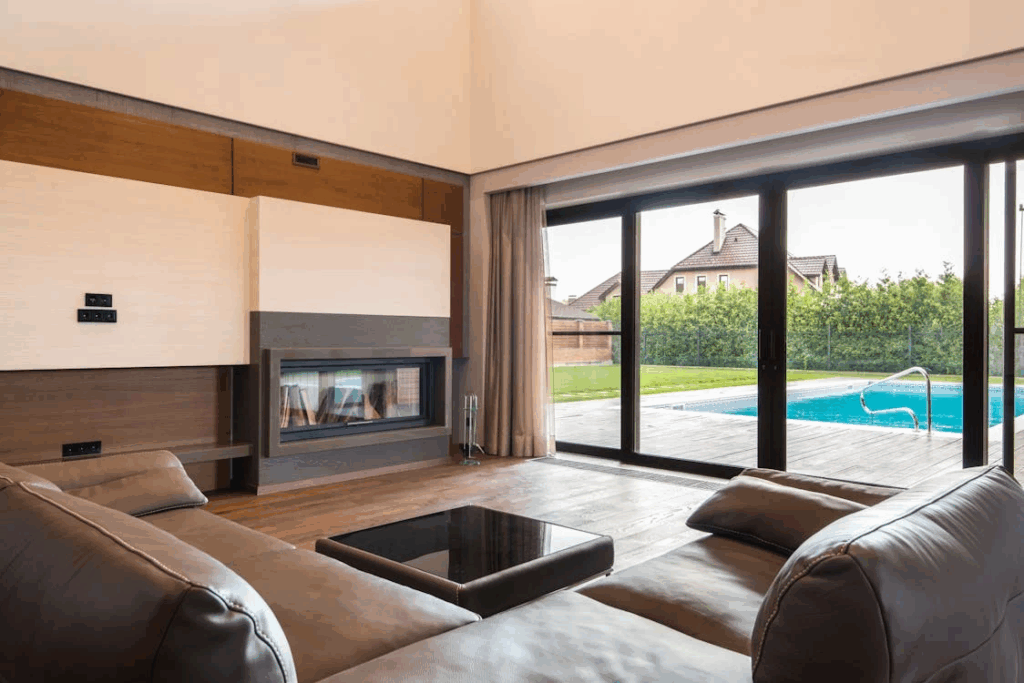
A patio door affects how you use your space every day. According to Natural Resources Canada, properly certified ENERGY STAR doors and windows can significantly reduce household energy consumption by improving insulation and minimizing heat loss.
Patio doors influence furniture placement, light levels, and heating or cooling efficiency. As 2026 design trends focus on comfort and sustainability, choosing the right system matters more than ever.
Key benefits of a thoughtful selection include:
- Natural light that brightens interior spaces and reduces reliance on artificial lighting.
- Improved energy efficiency through insulated frames and high-performance glass packages.
- Better use of space by choosing a system that fits your layout.
- Increased property value through design appeal and long-term durability.
Comparing the Main Patio Door Types
The table below summarizes the strengths, limitations, and best applications for each door type. While costs and materials vary, the operational style often determines how a door performs in your home.
| Parameter | Sliding Door | French Door | Bifold Door | Multi-Slide Door |
| Cost | $ | $$ | $$$$ | $$$$ |
| Operation | Panels slide on a track | Doors swing on hinges | Panels fold together | Panels slide and stack |
| View (When Closed) | Good, minimal frame | Fair, wider frames | Fair, multiple frames | Excellent, slim frames |
| Clear Opening | About 50% | Full 100% | 90-100% | 75-100% |
| Space Required | None, works within frame | Needs swing clearance | Small stacking space | Requires wall pocket (if recessed) |
| Best For | Compact spaces, budget projects | Traditional homes | Wide openings, open-air feel | Modern homes, panoramic views |
Each type balances function and aesthetics differently. Sliding and French doors remain common, while bifold and multi-slide systems represent the next step toward open-concept living.
Choosing the Right Material
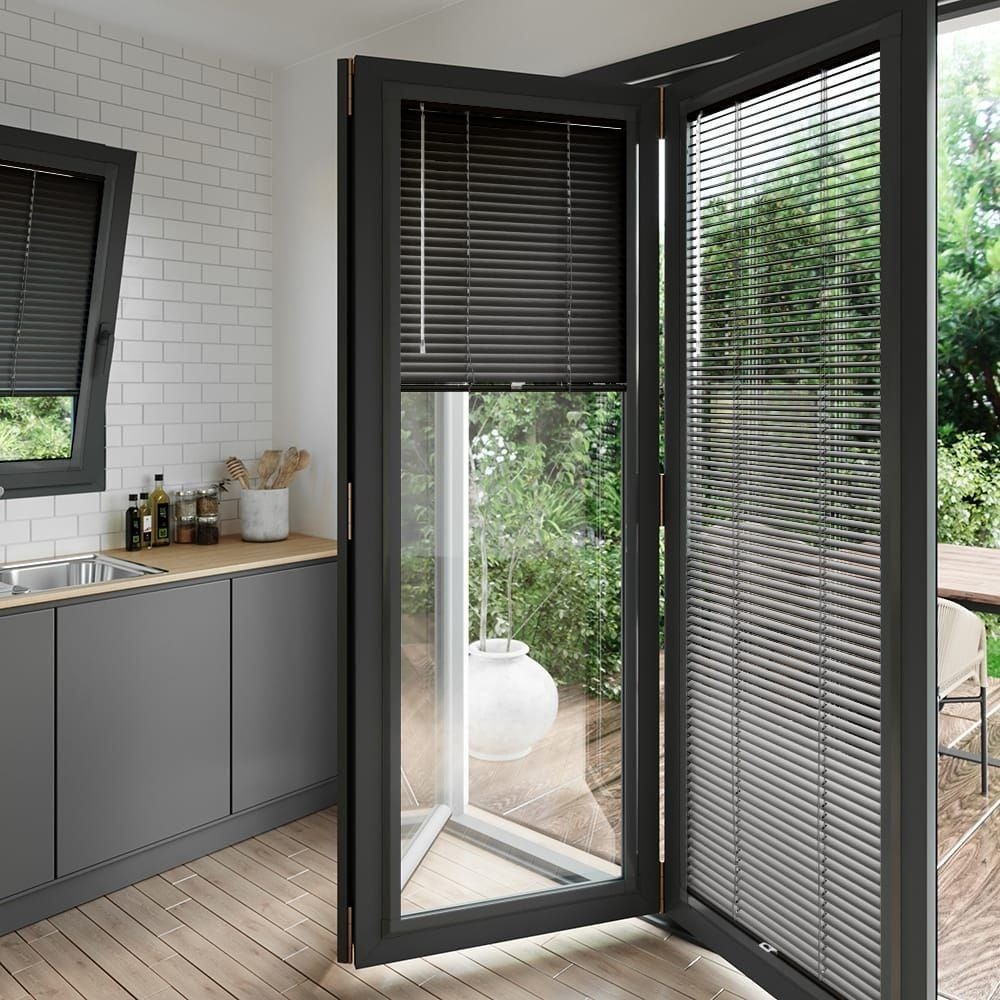
After selecting a door style, the next step is choosing a frame material. Material choice affects cost, insulation, maintenance, and appearance.
- Vinyl: The most affordable and low-maintenance option. Vinyl resists moisture and offers strong insulation, though frame colors are limited and slightly bulkier.
- Fiberglass: Premium material with excellent strength and minimal expansion in temperature extremes. It mimics wood grain and performs well in Canadian climates.
- Wood: Classic and warm, ideal for traditional homes. It requires periodic painting or staining to prevent weather damage.
- Aluminum: Sleek and durable, suited to modern designs. To prevent heat transfer in cold climates, choose doors with a built-in thermal break.
Selecting a frame that balances durability, efficiency, and aesthetics ensures lasting performance in all seasons. Research from the University of Florida’s IFAS Extension notes that material choice directly influences long-term insulation performance and maintenance needs, particularly in climates with large temperature swings.
Mistakes to Avoid When Selecting Patio Doors
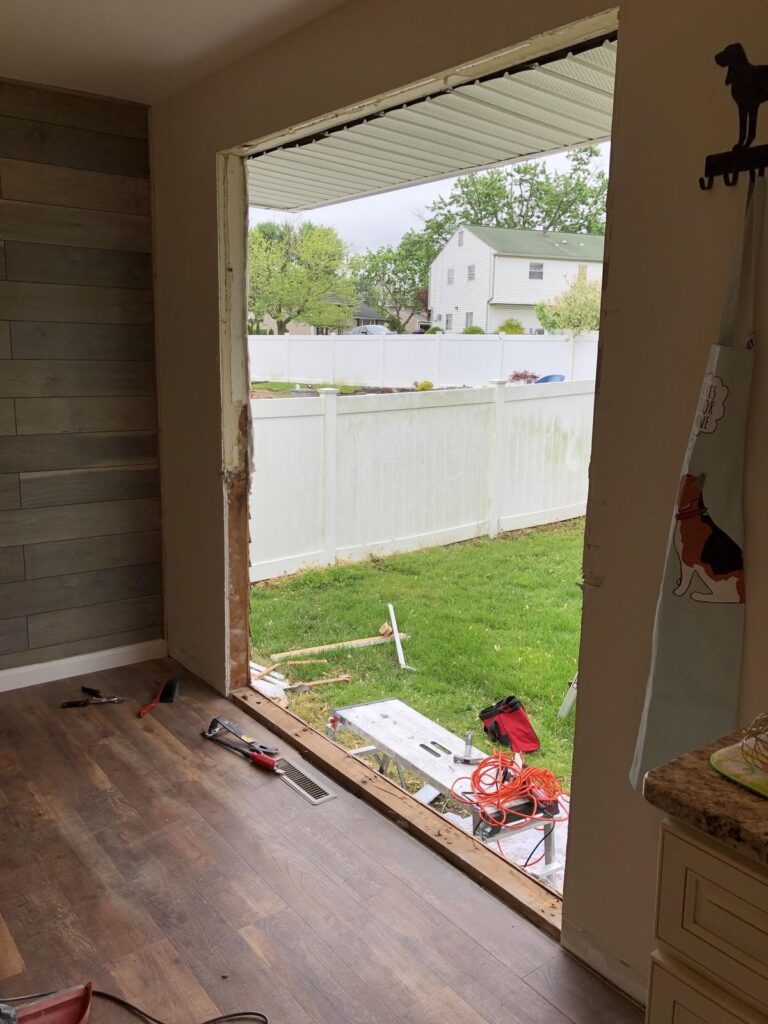
Many installation issues begin with small oversights during planning. Avoiding these mistakes will save time and frustration later:
- Ignoring swing space: French doors need clearance to open. In small patios, this can limit movement or interfere with furniture.
- Overlooking architectural style: Match the door’s look to your home’s design. A modern multi-slide door may not suit a traditional facade, and vice versa.
- Underestimating installation work: Multi-slide and bifold systems often need structural framing adjustments. Include this in your budget early.
- Neglecting climate considerations: In colder provinces, prioritize insulated frames and low-emissivity glass to prevent condensation and drafts.
A well-planned selection process helps you achieve both function and visual harmony.
Design Trends for 2026 and Beyond
Patio door design continues to evolve alongside the growing interest in biophilic design – the idea of connecting indoor living spaces with the natural environment. In 2026, the focus is on flexibility and openness.
Manufacturers are introducing thinner, stronger frames made from thermally broken aluminum and fiberglass composites. These materials support larger glass panes while maintaining insulation. Smart technology is also entering the market, with automatic sliding systems and integrated security sensors appearing in higher-end models. The International Energy Agency’s Energy in Buildings and Communities Programme tracks global advancements in building envelope efficiency, highlighting the growing role of thermally broken frames and advanced glazing in reducing carbon emissions.
The overall goal is to remove visual and physical barriers, turning patios, decks, and gardens into natural extensions of interior living spaces.
Frequently Asked Questions (FAQ)
1. What should I consider when choosing patio doors?
You should primarily consider your budget, the architectural style of your home, the amount of space you have for the door to operate (swing vs. slide), and your energy efficiency needs.
2. How do I choose the best material?
For most Canadian homeowners, fiberglass offers the best balance of durability, energy efficiency, and low maintenance. Vinyl is the best choice for a limited budget, while thermally-broken aluminum is ideal for modern designs with maximum glass.
3. What are the advantages and disadvantages of sliding vs. French doors?
Sliding doors are space-savers and cost-effective, but you can only ever open half of the total space. French doors offer a classic aesthetic and a 100% clear opening, but they require significant floor space to swing open.4
Conclusion
Choosing the right patio door in 2026 means balancing performance, design, and lifestyle. Sliding doors remain practical for compact areas, French doors bring timeless appeal, and advanced systems like bifold and multi-slide models deliver a seamless connection to the outdoors.
Whatever your choice, prioritize professional installation and energy-efficient materials to ensure your new patio door enhances both comfort and long-term value. The right door can transform an ordinary wall into a view, turning your home into a brighter, more open space that fits modern Canadian living.